 Business License
Sanaifu F113 hydrogenation CTFE test device successfully drove!
After two months of installation, commissioning and careful deployment of the device, Shanghai Huayi Sanaifu New Materials Co., Ltd. (hereinafter referred to as "Shanghai Huayi Sanaifu") F113 hydrogenation CTFE test device was successfully opened, and the whole process of hydrogenation was successfully opened. The product quality monitoring of each point of the device was qualified, and the device was connected. The continuous operation is smooth, and the catalyst performance index reaches the expected goal.
The successful start of the test device marks that Shanghai Huayi Sanaifu has mastered the key technology of the new hydrogenation CTFE process through independent research and development, laying a solid foundation for the industrialization of the new process. The technology is jointly developed by the Central Research Institute of Shanghai Huayi Group and Shanghai Huayi Sanaifu. The project catalyst test and reaction process development will be completed in 2021, the amplification and molding of the catalyst, the evaluation of the original particle catalyst and the design of the test device will be completed in 2022, and the test will be launched at Shanghai Huayi Sanaifu Changshu Base. Inspection device construction work. The project gives full play to the technical advantages of the Central Research Institute of the Group, takes enterprises as the main body of innovation, and actively promotes the implementation of industrialization, which will help Shanghai Huayi Sanaifu to continue to consolidate and enhance the market competitiveness and industry status of CTFE and its downstream products.
Trifluorochlorofluoroethylene, referred to as CTFE, molecular formula C2ClF3, is one of the important fluorinated olefins. Shanghai Huayi Sanaifu is a well-known supplier of fluorine chemicals in the industry, and the "four fluoroolefins" are all produced. The fluorine-containing polymer material formed by CTFE homogenization of polytrifluorochloroethylene (PCTFE) or CTFE copolymerization with other olefins has excellent mechanical processing properties, unique electrical properties and heat resistance and chemical corrosion resistance. It is widely used in cutting-edge technology, military aerospace and electronics industry and other fields. In addition, as a chemical intermediate raw material, CTFE can also be used for the synthesis of downstream high value-added fluorine-containing chemicals.
At present, the mainstream route for synthesizing CTFE is the zinc powder process, but there are problems such as high single consumption of zinc powder, large solvent use and difficult treatment of zinc powder waste residue. The hydrogenation method adopts a fixed bed continuous reaction process, which is easy to achieve large-scale and continuous production. It has significant technical and cost advantages. The core of its technology lies in the development of high-performance hydrogenation catalysts.
Recently Posted
-
The 4th China New Materials Industry Development Conference
September 6, 2023Facing the major needs of the country, aiming at the major breakthroughs in key strategic materials, closely focusing on the natio Read More
 -
CAFSI wemt to Sanming,Fujian to investigate the new fluorine material industry
September 6, 2023Following the "14th Five-Year Development Plan for the Fluorine New Materials Industry in Sanming City", entrusted by th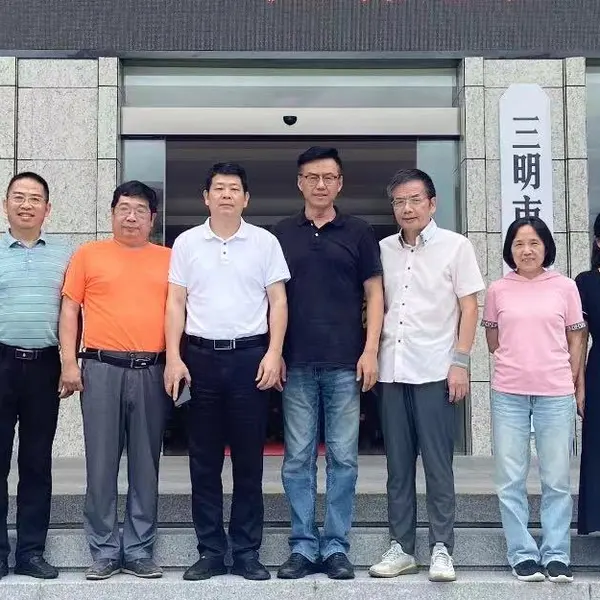 Read More
 -
Let me show you a brief history of the development of fluorine resin!
September 6, 2023Polyvinyl chloride (PCTFE) is the earliest fluoropolymer developed and commercialized.In 1934, F. Schloffer and O.Scherer of the G Read More
 -
The first in the country! The Nobel Prize winner's project settled in Shenyang
September 6, 2023On August 31, the trial production launch ceremony of the research achievement transformation project "High Performance Graph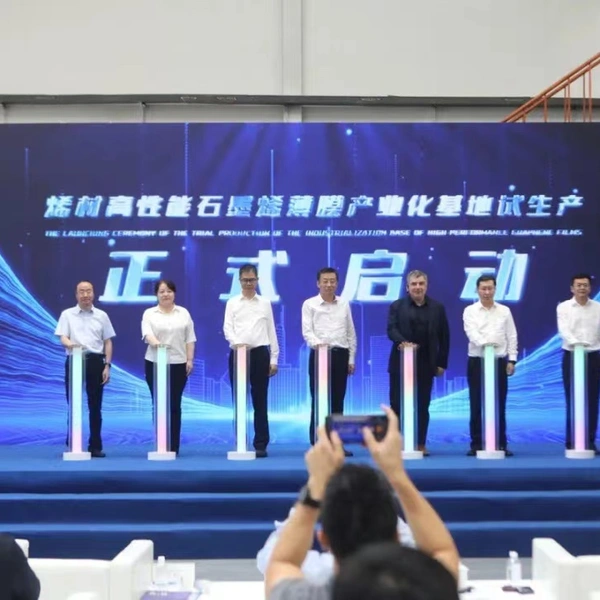 Read More

Contact Us
Recommended Products
-
 ECTFE SprayingNegotiableMOQ: 200 Kilograms
 -
Polyethylene Modified Wax PowderNegotiableMOQ: 500 Kilograms
-
Polyethersulfone Dispersion BSP-450 High-performance PESUS$ 8 - 9MOQ: 500 Kilograms
-
ECTFE Meltblown Grade Resin High QualityNegotiableMOQ: 200 Kilograms
-
ECTFE Water Film Grade Resin Excellent Chemical Corrosion ResistanceUS$ 81 - 82MOQ: 200 Kilograms
-
Polyethersulfone Dispersion BSP-450 High-performance PESUS$ 8 - 9MOQ: 500 Kilograms
-
ECTFE Water Film Grade ResinNegotiableMOQ: 200 Kilograms
-
PES MicropowderNegotiableMOQ: 200 Kilograms
-
Polyethylene Wax PowderNegotiableMOQ: 500 Kilograms
-
PVDF Micropowder With Weather ResistanceNegotiableMOQ: 200 Kilograms